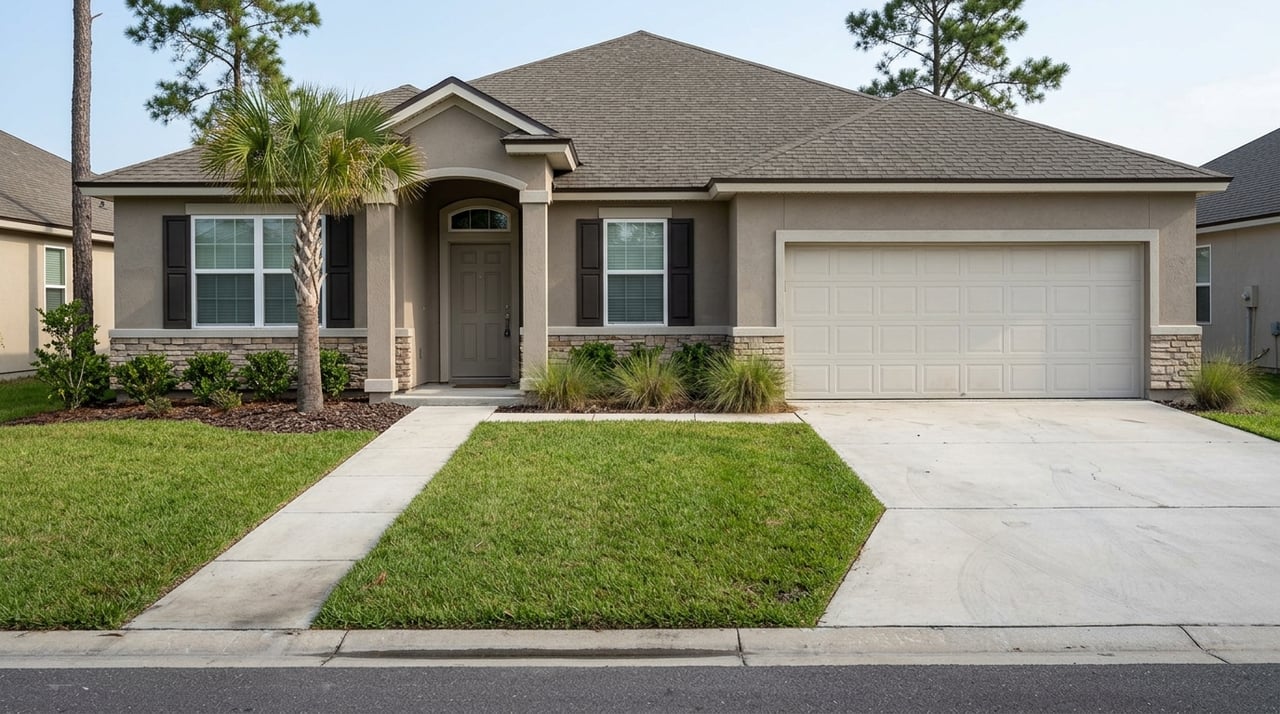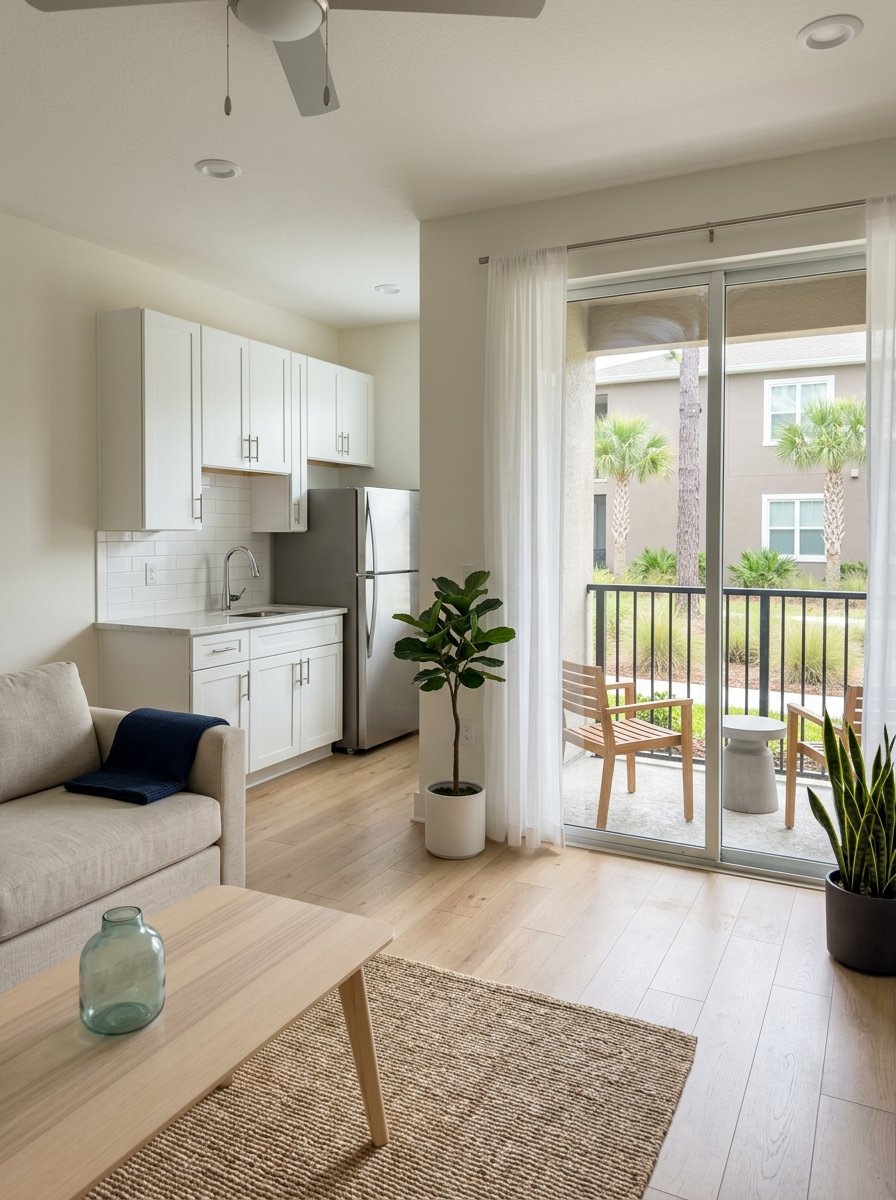
Trying to choose between a condo and a townhome in Pensacola? You are not alone, and the answer is usually less about curb appeal and more about how you want to live day to day. If you understand what you actually own, what the monthly fees really cover, and how Pensacola locations shape the lifestyle, you can make a much more confident decision. Let’s dive in.
Start With Ownership
In Pensacola, a condo and a townhome can look similar from the outside, but they may work very differently once you read the documents. That is why your first question should not be about finishes or floor plans. It should be about the legal structure of the property.
Under Florida Chapter 718, a condominium includes your unit plus an undivided share in the common elements. Those common-element shares stay tied to the unit. Florida law also allows some limited common elements to be maintained either by the association or by the owners who use them, depending on the declaration.
Townhomes are less uniform. In Florida, a townhome may be part of a condominium structure or a homeowners’ association community governed under Chapter 720. That means the exterior style of a townhome does not automatically tell you how maintenance, reserves, or ownership rights are handled.
Why This Matters to You
Two homes with a similar look can come with very different responsibilities. One may include more association oversight and shared maintenance, while the other may place more of the upkeep on you. Before you fall in love with the layout, review the declaration, title documents, and budget so you know what you are really buying.
Compare Maintenance and Fees
For many buyers, this is where the condo versus townhome decision becomes clear. The better fit often comes down to how much upkeep you want to handle yourself and how predictable you want the expenses to be.
Condo associations in Florida must maintain official records and annual budgets. For many condominium buildings that are three habitable stories or higher, Florida now requires structural integrity reserve studies, often called SIRS. These studies cover major items such as the roof, structure, fire protection, plumbing, electrical, waterproofing and exterior painting, windows and exterior doors, plus other major components that can affect those systems.
Pensacola also has local inspection rules that matter. The City of Pensacola says milestone inspections apply to condominium and cooperative buildings that are three stories or taller. Within three miles of the coast, the trigger is 25 years, and farther inland it is 30 years, with the association responsible for arranging and paying for the inspection.
Townhome communities that operate through Chapter 720 work differently. HOA budgets may include reserve accounts, but the membership can vote to provide no reserves or less reserves. Because of that, townhome monthly costs can vary more from one community to the next.
What Higher or Lower Fees Can Mean
A higher condo fee is not always a bad sign. In some cases, it reflects more robust maintenance, reserve funding, or inspection-related planning. A lower townhome fee may look appealing at first, but it does not always mean your long-term costs will be lower.
That is why it is smart to ask what the fee actually covers. Roofs, exterior walls, landscaping, amenities, insurance responsibilities, and limited common elements can all be handled differently depending on the governing documents.
Match the Property Type to Pensacola Lifestyle
Pensacola offers a few very different living experiences, and your preferred setting can point you toward the right property type. In many cases, the lifestyle you want will narrow the choice quickly.
Condos and Coastal Convenience
Pensacola Beach and Perdido Key are natural condo markets for buyers who want low-maintenance coastal living. Visit Pensacola describes Pensacola Beach as a place known for sugar-white sand, clear water, scenic walking paths, kayaking, and nearby shops and eateries. It also notes that Pensacola Beach and Perdido Key sit on the longest stretch of federally protected seashore in the United States.
If you picture beach weekends, seasonal stays, or a lock-and-leave setup, condo living often makes sense. This can be especially appealing if you are buying a second home or want easy access to the coast without taking on as much exterior upkeep.
Downtown Condos and Waterfront Access
Downtown Pensacola offers a different kind of convenience. The city describes downtown as a mix of historic character, restaurants, boutiques, parks, museums, festivals, and waterfront access. It also notes that modern condominiums and historical houses sit next to each other along the waterfront.
If you want an urban feel, walkable surroundings, and less concern about yard work, a downtown condo may fit well. For many buyers, it is a good way to enjoy location and convenience at the same time.
Townhomes and Urban-Core Living
Townhomes often fit buyers who want a little more privacy and a more residential feel without moving all the way to a detached house. In Pensacola, that can show up most clearly in downtown and urban-core infill areas. The city’s Community Redevelopment Agency annual report documents two-story townhome development on East Intendencia, and the city identifies downtown, North Hill, and Old East Hill as designated historic districts.
That pattern makes townhomes a strong option if you like being near the core but do not want a high-rise or resort-style setting. You may get a steadier full-time feel while still staying close to downtown energy.
Ask Better Questions Before You Buy
The smartest condo and townhome buyers in Pensacola do not stop at square footage and monthly dues. They dig into how the community operates and what costs may be coming next.
Here are a few key questions to ask before you move forward:
- What does the monthly fee cover?
- Is the community governed under Chapter 718 or Chapter 720?
- Are there open milestone inspection, reserve, or special assessment issues?
- What are the parking, pet, rental, and exterior-change rules?
- Who maintains roofs, exteriors, windows, and limited common elements?
- If the property is near the coast, what flood-zone and insurance assumptions need to be confirmed?
These questions matter because condo dues can reflect both day-to-day operations and longer-term structural funding. Florida law also says condo sale contracts after December 31, 2024 must include clear disclosure language when a milestone inspection, turnover report, or SIRS is required or has been completed, and buyers receive cancellation rights tied to required documents.
Townhome buyers still need a careful review, just with a different lens. Since Chapter 720 allows reserves to be waived or reduced by vote, a community may appear less expensive on paper while still carrying future capital-expense risk.
Do Not Skip Flood-Zone Review
In a coastal market like Pensacola, flood-zone review matters for both condos and townhomes. This is especially important if you are buying on the beach, near the bay, or in lower-lying parts of the city.
The City of Pensacola says its flood insurance rate map was updated on August 19, 2025, and notes that some properties shifted flood-zone lines. That means you should verify the current flood designation for any property you are considering instead of relying on older assumptions.
A Simple Way to Choose
If you want convenience over control, a condo may be your better fit. That is often true for second-home buyers, seasonal owners, busy professionals, and anyone who wants easy access to Pensacola Beach or downtown waterfront living with less exterior upkeep.
If you want more privacy, a little more separation from neighbors, and a more residential full-time feel, a townhome may be the stronger choice. This often appeals to first-time buyers, downsizers, and full-time residents who want to stay close to downtown or urban-core areas without choosing a high-rise environment.
Quick Rule of Thumb
Use this simple guide as a starting point:
- Lean condo if you want beach access, low maintenance, and a lock-and-leave lifestyle.
- Lean townhome if you want more privacy, a steadier full-time feel, and a lower-density setting near the core.
In Pensacola, that often means beach or downtown waterfront condos versus downtown-core or infill townhomes. The right answer depends on how you want to spend your weekends, how much maintenance you want to manage, and how closely you want to review the association structure.
If you want help comparing specific condo and townhome options in Pensacola, the team at Coastal Collective Group can help you sort through the documents, lifestyle tradeoffs, and location fit so you can move forward with confidence.
FAQs
What is the main difference between a condo and a townhome in Pensacola?
- In Pensacola, the biggest difference is often the ownership and maintenance structure, not just the building style. A condo usually includes your unit plus a share of the common elements under Chapter 718, while a townhome may be governed through a homeowners’ association under Chapter 720.
Are condo fees in Pensacola usually higher than townhome fees?
- Sometimes, but not always. Condo fees may reflect building maintenance, reserve funding, and inspection-related planning, while townhome fees can vary widely based on what the HOA maintains and whether reserves are fully funded.
Are Pensacola condos subject to milestone inspections?
- The City of Pensacola says milestone inspections apply to condominium and cooperative buildings that are three stories or taller. The timing depends on whether the building is within three miles of the coast or farther inland.
Is a townhome in Pensacola always easier to afford month to month?
- Not necessarily. A lower monthly HOA fee can look attractive, but if reserves are low or waived, owners may still face future special assessments or other capital costs.
Which Pensacola locations tend to fit condo living best?
- Condos often align well with Pensacola Beach, Perdido Key, and downtown waterfront areas, especially if you want a low-maintenance or lock-and-leave lifestyle.
Which Pensacola buyers often prefer townhomes?
- Townhomes often appeal to buyers who want more privacy and a more residential feel near downtown or urban-core areas without choosing a detached house.
Should Pensacola buyers check flood zones for both condos and townhomes?
- Yes. The City of Pensacola says its flood insurance rate map was updated in 2025, so buyers should confirm the current flood designation for any property near the coast, the bay, or low-lying areas.