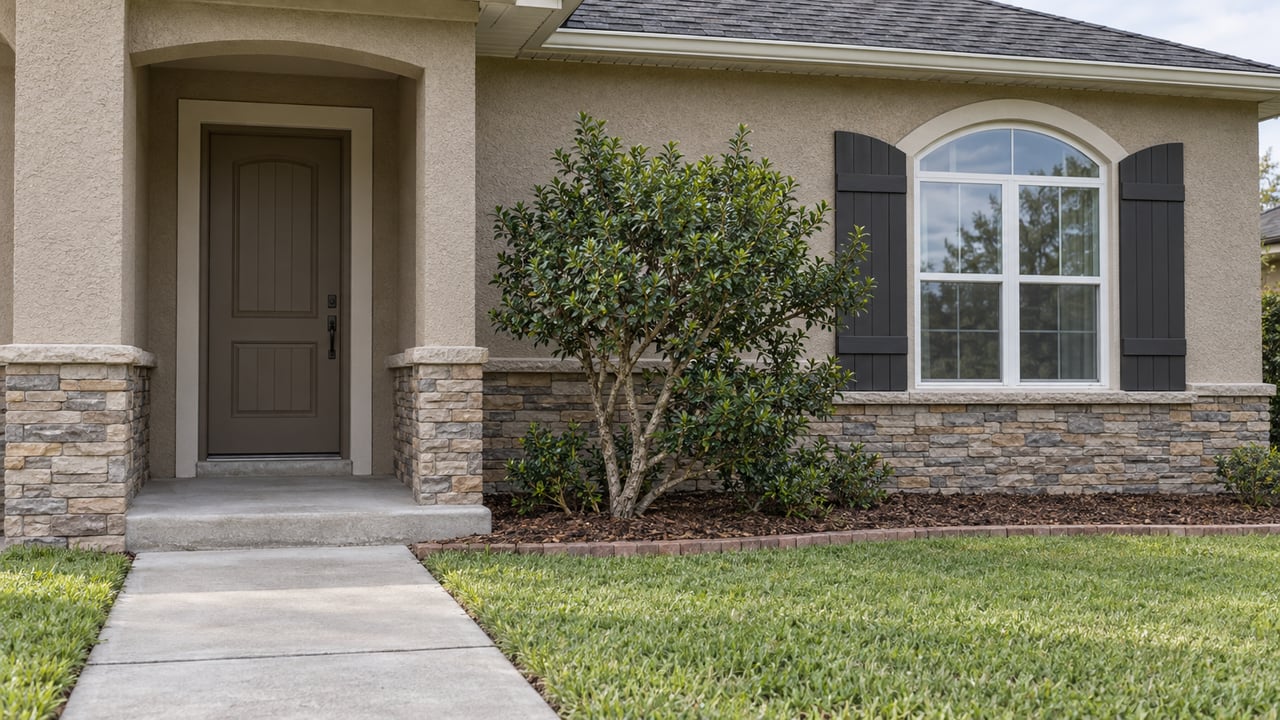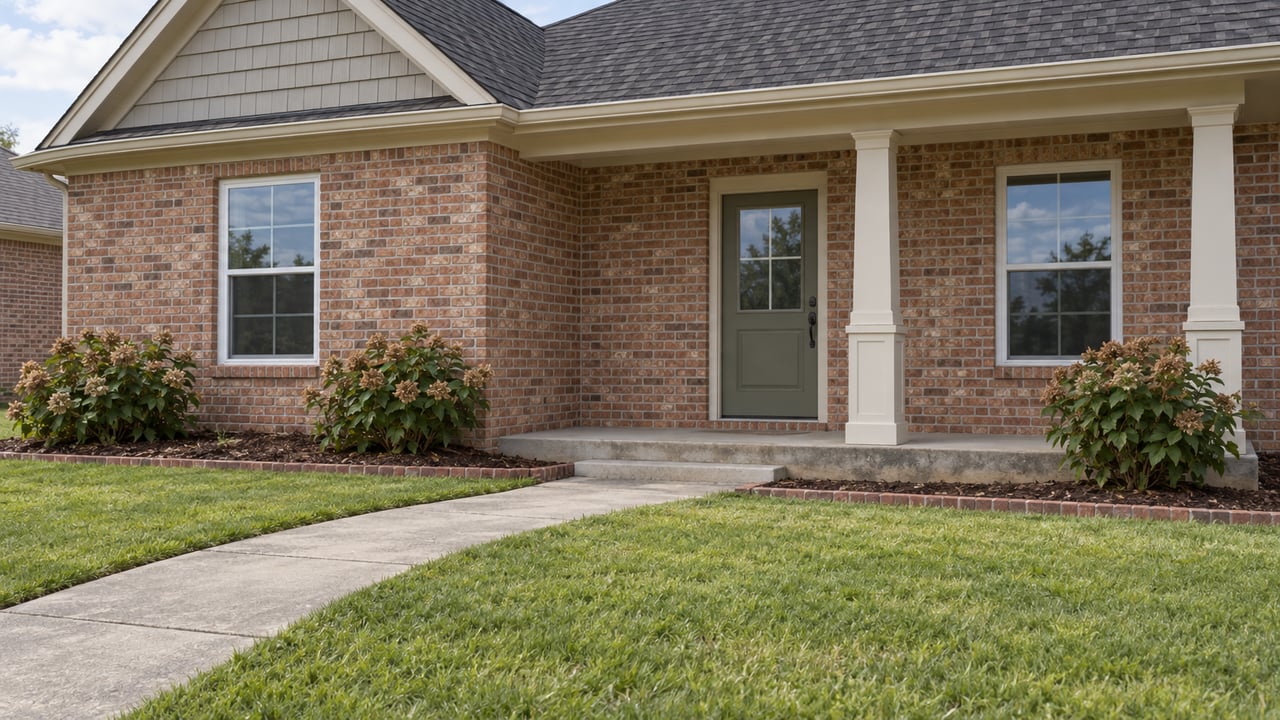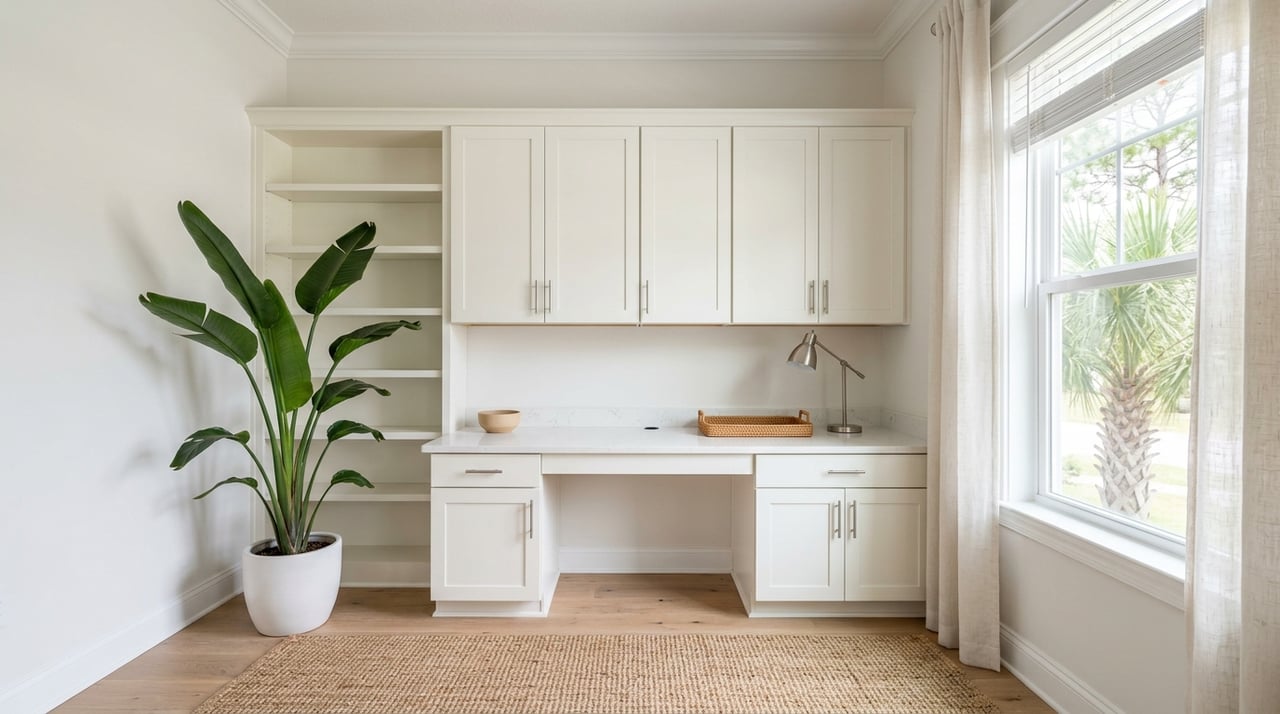
Buying a home from out of town can feel like a leap of faith, especially in a coastal market like Pensacola where location details, flood zones, condo rules, and insurance questions can change the picture fast. If you are relocating, buying a second home, or trying to secure the right property before making another trip, you need a process that feels clear and manageable. The good news is that Florida and Escambia County offer tools that make remote buying very possible when you have the right plan in place. Let’s walk through it step by step.
Start With a Remote Buying Plan
Remote home buying works best when you treat it like a structured project, not a casual online search. Before you tour homes, it helps to know your budget, financing path, ideal timeline, and must-have features.
In Florida, electronic signatures have the same legal effect as written signatures, and state law also allows remote online notarization for qualified notaries. That means many parts of the transaction, including offers and many signed documents, can be handled digitally.
For buyers coming to Pensacola from another city or state, that matters. You can move from search to contract without needing to be physically present for every step, which is especially helpful if you are relocating for work, military service, or a seasonal move.
Get Pre-Approved Early
Your first practical step is financing. A pre-approval helps you understand what you can comfortably buy and puts you in a stronger position when the right home hits the market.
This is also the time to think through how you plan to use the property. A primary residence, second home, condo, or investment property can each come with different lending, insurance, and documentation needs.
Define Your Pensacola Priorities
Pensacola buyers are often balancing lifestyle goals with property logistics. You may want beach access, a condo with lower upkeep, a neighborhood closer to work, or a home that fits long-term relocation plans.
When you are buying remotely, clear priorities save time. Narrowing your wish list makes virtual tours more useful and helps you make faster, more confident decisions.
Search Smarter From a Distance
Online listings are a starting point, not the full story. Photos can help you screen homes, but remote buyers usually need a deeper look at layout, surroundings, condition, and location details before moving forward.
That is where live video tours and agent walk-throughs become so valuable. A real-time tour can show you sight lines, room flow, street context, storage, exterior condition, and details that still photos may not fully capture.
Use Virtual Tours and Live Walk-Throughs
A live video showing lets you ask questions as you go. You can request close-ups of finishes, windows, ceilings, appliances, outdoor areas, and any spots that raise concerns.
For Pensacola and the surrounding coastal areas, live tours are especially useful because they help you understand things like elevation, nearby water, traffic flow, and the overall setting. Those details can strongly affect both lifestyle and ownership costs.
Check Public Map Tools Carefully
Escambia County’s Property Appraiser map includes layers for flood zones, zoning, and other useful overlays. That makes it a strong screening tool when you are comparing locations remotely.
Still, the county warns that parcel information is not survey quality. In plain terms, the map can help you research a property, but it should not replace a survey, title review, or other formal due diligence.
Make the Offer Electronically
Once you find the right home, Florida law supports electronic contracts and signatures. A contract cannot be denied legal effect solely because an electronic record was used, which helps remote buyers act quickly when they are ready to make an offer.
That means offers, counteroffers, and many transaction documents can often be signed without printing, scanning, or overnight shipping paperwork back and forth. It is a major reason remote buying is more practical today than it was just a few years ago.
What Happens After Your Offer Is Accepted
Once you are under contract, the process shifts from search mode to verification mode. This is where remote buyers protect themselves by confirming the home’s condition, value, insurability, and ownership details.
A smart sequence looks like this:
- Schedule the home inspection as soon as possible
- Move forward with the lender’s appraisal process
- Review title work and closing coordination
- Gather insurance quotes early
- Check flood-related details
- Request condo or association records if applicable
Prioritize Inspection and Appraisal
A home inspection and an appraisal are not the same thing, and remote buyers need both. The inspection focuses on the home’s condition, while the appraisal helps the lender assess value.
Consumer guidance says the inspection should be scheduled as soon as possible after you choose a home. That is especially important when you are buying from a distance and cannot casually revisit the property yourself.
Why Inspections Matter More for Remote Buyers
A remote showing can reveal a lot, but it cannot replace a professional inspection. Inspectors can flag issues with roofing, systems, structure, moisture, and other concerns that may not be obvious on video.
If the inspection uncovers problems, you may be able to negotiate repairs, request credits, or reconsider the purchase depending on your contract terms. Having that information early gives you options.
Understand the Appraisal Process
The lender typically requires an appraisal. You should receive the appraisal copy promptly, and if the appraised value comes in lower than your offer price, renegotiation may be necessary.
This is another reason to stay organized during a remote purchase. You are not just choosing a home you like. You are also confirming that the property works from a financing standpoint.
Review Flood, Wind, and Insurance Early
In Pensacola, flood review should be a core part of your process. Escambia County notes that floodplains affect the area from the Perdido and Escambia rivers and the Gulf of Mexico, which makes flood research especially relevant for many local properties.
FEMA’s flood map tools are the official public source for flood-hazard maps. If a home is in a Special Flood Hazard Area, flood insurance may be required in many mortgage situations.
Ask the Right Flood Questions
When you are evaluating a property remotely, ask early whether the home is in or near a mapped flood area. This helps you estimate both risk and monthly ownership costs.
You should also remember that map review is only one part of the picture. Insurance quotes and property-specific due diligence help round out the full cost of ownership.
Look Into Wind Mitigation
Florida’s insurance regulator says consumers can request a wind-mitigation inspection and use the Uniform Mitigation Verification Inspection Form to qualify for possible premium discounts. In a hurricane-prone region, those construction features can make a real difference.
For a Pensacola buyer, this is not just a box to check. It can affect insurance pricing and help you better understand how a home may perform in severe weather.
Request Condo or Association Documents Early
If you are buying a condo or a home in an association, request records as early as possible. Florida DBPR says official association records include governing documents, minutes, rosters, insurance, leases and contracts, and other key records.
Those documents matter because they can affect your financing, monthly costs, and plans for how you will use the property. For seasonal buyers and investors, this step is especially important.
What to Review in Association Records
Focus on the practical issues first. You want to understand dues, insurance information, rules, recent meeting notes, and any details that could affect occupancy or rental plans.
Remote buyers often overlook this until late in the process. Getting these records early can help you avoid delays and surprises.
Prepare for a Remote Closing
Closing from a distance is very doable, but it still requires careful coordination. The closing agent, often a title company, escrow company, or attorney, helps coordinate the transaction and submits the mortgage and transfer documents for recording after signing.
You should also expect to receive the Closing Disclosure at least three business days before closing if you are getting a mortgage. Review it carefully with your lender or closing agent so you understand your final numbers before signing day.
Know What Can Be Signed Remotely
Florida law supports electronic records and signatures, and it also allows certain notarized requirements to be satisfied electronically when the legal requirements are met. Still, electronic signing does not automatically mean every document is acceptable for recording in every situation.
That is why the closing team’s role matters so much. They confirm what the clerk will accept and make sure documents are prepared properly for the final recording step.
How Escambia County Recording Fits In
Escambia County’s Official Records office records deeds, mortgages, liens, plats, powers of attorney, and related instruments. The county also offers eRecording through multiple vendors.
For remote buyers, that helps make the final paperwork more manageable behind the scenes. In many cases, the title or settlement team can coordinate the recording workflow without requiring you to visit the courthouse in person.
Verify Wire Instructions Carefully
One of the most important safety steps in a remote closing is verifying wire instructions directly with your settlement agent. Consumer guidance warns that scammers may try to change wiring details at the last minute.
That means you should never rely on a last-second email alone for money transfer details. Confirm instructions directly using trusted contact information before sending funds.
Do a Final Walkthrough, Even Remotely
Before closing, a final walkthrough helps confirm that agreed repairs are complete and that included items are still in place. If you cannot attend in person, a live video walkthrough or trusted local representative can be a practical alternative.
This step gives you one last chance to confirm the property’s condition before the transaction is finalized. For remote buyers, that extra layer of confidence is worth it.
Plan for After Closing
Your remote purchase does not end when you sign. After closing, you may still need to transfer utilities, forward mail, confirm insurance binders, and watch for recording confirmation in the county’s official records.
If the home will be your primary residence, Escambia County offers online homestead filing. Florida law requires the deed to be recorded before homestead exemption may be granted, and most exemption applications must be filed on or before March 1.
Be Careful With Homestead Rules
Homestead is for a primary residence, not a seasonal or temporary stay. Escambia County warns that an improper homestead claim is one where the owner is not actually a permanent resident.
If you are buying a second home or snowbird property, it is worth clarifying your intended use early so you do not make assumptions after closing.
Special Notes for VA Buyers
If you are using VA financing, the VA says you must live in the home. VA-backed purchase loans often allow no down payment, and the VA appraisal is not the same as a home inspection.
That distinction matters in Pensacola, where many buyers are relocating for military or civilian defense-related work. If you are considering a condo, VA guidance also notes that condo purchases are allowed in VA-approved projects.
A Simple Remote Buying Checklist
If you want a quick way to keep the process straight, use this order of operations:
- Get pre-approved
- Define your location and property priorities
- Tour homes virtually and by live video
- Use county map tools for early screening
- Sign your offer electronically
- Schedule the inspection right away
- Move through appraisal and title work
- Review flood, wind, and insurance details
- Request condo or association documents early
- Review the Closing Disclosure carefully
- Verify wire instructions directly
- Complete a final walkthrough
- Track recording and post-closing tasks
A remote purchase in Pensacola can be smooth when each step is handled in the right order. With the right local guidance, you can stay informed, move quickly, and make confident decisions even if you are hundreds of miles away. If you are planning a move, buying a second home, or exploring coastal options from out of state, Coastal Collective Group can help you navigate the process with a concierge-style approach built for remote buyers.
FAQs
Can you buy a home remotely in Pensacola, Florida?
- Yes. Florida law gives electronic signatures legal effect, and remote online notarization can support many signed documents in a remote transaction.
Do you need a home inspection when buying sight-unseen in Pensacola?
- Yes. A home inspection is different from an appraisal, and it should be scheduled as soon as possible after you go under contract.
How do you check flood risk for a Pensacola home?
- Start with FEMA flood-hazard maps and Escambia County flood resources, then confirm property-specific insurance and due diligence details during the contract period.
Can you close on a Pensacola home without going to the courthouse?
- In many cases, yes. Escambia County offers eRecording, which helps the title or settlement team handle recording without an in-person courthouse visit.
What should remote condo buyers review in Pensacola?
- Request association records early, including governing documents, insurance information, minutes, leases or contracts, and other records that may affect costs or property use.
Can VA buyers purchase remotely in Pensacola?
- Yes, but VA buyers must plan to occupy the home, and the VA appraisal should not be treated as a substitute for a home inspection.
Can seasonal buyers claim homestead in Escambia County?
- No, not simply because they own the home. Homestead is tied to permanent primary residency, and improper claims can create problems.