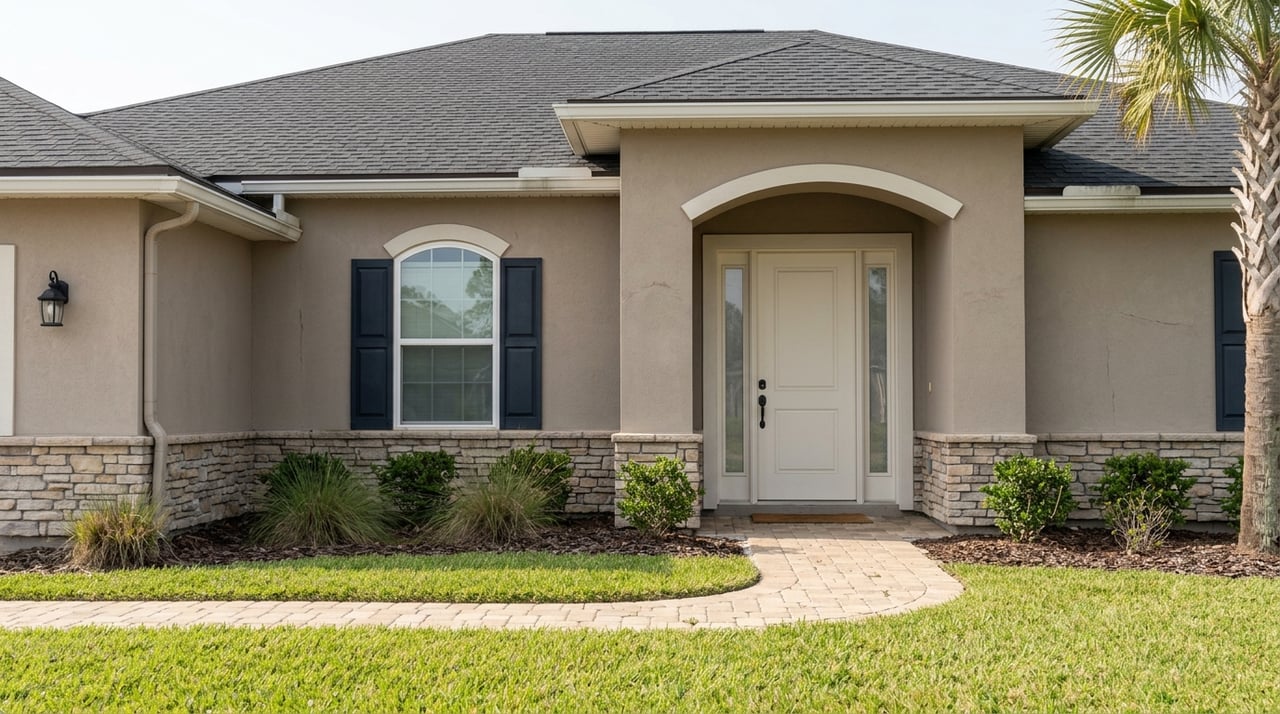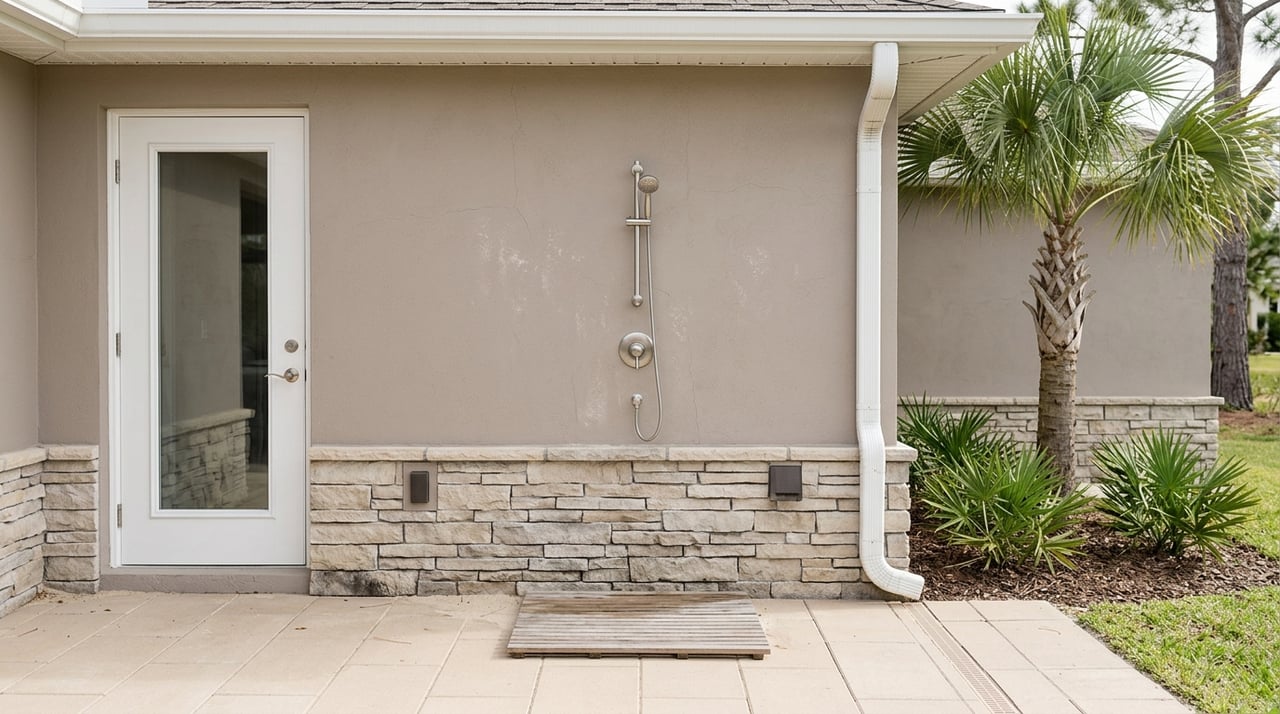
Dreaming about a place on Navarre Beach where you can slip away for long weekends, host family by the water, and keep one foot in the coastal lifestyle year-round? A second home here can absolutely feel like that, but it also comes with a very real ownership rhythm, a different cost structure, and more planning than many buyers expect. If you are thinking about buying a beach retreat, understanding the day-to-day reality can help you make a smarter, more confident decision. Let’s dive in.
Second-home ownership feels seasonal
Owning a second home on Navarre Beach usually does not feel like owning your primary residence. In most cases, it is a property you use during certain parts of the year while keeping it available for personal use the rest of the time. That seasonal pattern shapes everything from how you budget to how you maintain the home.
The weather helps explain that rhythm. Nearby Pensacola climate normals show average highs around 65°F in December and 63°F in January, so winter is still mild compared with many parts of the country, but it has a different feel than peak beach season. For many owners, the quieter months become the time for maintenance, planning, and preparing for the next stretch of personal use.
Storm planning is part of ownership
On Navarre Beach, storm readiness is not a once-in-a-while concern. Santa Rosa County identifies hurricanes as the most common reason evacuations are ordered, and county evacuation mapping includes Navarre Beach. If you own here, evacuation planning becomes part of normal property ownership.
That matters even more when your home is not occupied full-time. You may need a clear plan for securing outdoor items, checking shutters or openings, monitoring weather alerts, and arranging post-storm inspections if you are out of town. A second home can still be relaxing, but the coastal setting asks you to stay prepared.
Carrying costs can surprise buyers
The purchase price is only one part of the equation. One of the biggest adjustments for second-home buyers is realizing how different the ongoing costs can look compared with a primary residence. On Navarre Beach, those costs deserve close attention before you make an offer.
A true second home in Florida generally does not qualify for the same homestead tax benefit as a permanent residence. Florida’s homestead exemption applies only to a permanent residence and can reduce taxable value by up to $50,000. If you are comparing a beach retreat to your current home, this difference can have a meaningful impact on annual costs.
It is also wise to keep a healthy cash cushion after closing. Consumer guidance from the CFPB recommends having a 3- to 6-month emergency reserve, which is especially relevant for a coastal property where expenses can be uneven. Unexpected repairs, storm prep, and insurance-related costs can show up faster than many part-time owners expect.
Financing often has stricter expectations
Financing a second home is not always the same as financing your primary home. Lenders typically want to see that you can comfortably carry the property even if it sits unused for part of the year. That makes your overall financial picture especially important.
Fannie Mae reserve guidance calls for two months’ reserves on a second-home transaction, with added reserves in some multi-property situations. Freddie Mac also defines a second home as a property the borrower occupies for part of the year and keeps primarily for personal use. In simple terms, lenders want to know the home works as a second residence, not just as a hopeful future income source.
Insurance and flood exposure matter
On a barrier island or coastal area, insurance is not just another line item. It is a core part of how you evaluate the property. Before you buy, you will want to understand flood-zone details, wind exposure, and what coverage may be required or advisable for that specific parcel or unit.
FEMA states that flood-insurance requirements apply in Special Flood Hazard Areas shown on FEMA flood maps. That means two properties near each other can still have different insurance profiles depending on location and elevation factors. On Navarre Beach, this is one of the most important parts of your due diligence.
Coastal materials age differently
Beachfront and near-beach homes live in a harsher environment than many inland properties. FEMA’s coastal construction guidance notes that salt spray and onshore winds can accelerate corrosion of metal connectors and fasteners. Over time, that affects how owners think about repairs, replacements, and long-term durability.
This does not mean every home is a problem property. It does mean you should expect a more active maintenance mindset. Paint, hardware, exterior components, and exposed materials may need closer monitoring than they would in a less demanding climate.
Moisture control is ongoing
If your second home sits empty for stretches of time, humidity becomes more than a comfort issue. The EPA states that mold does not grow without moisture and that humidity control is the key to prevention. In a coastal property, that makes regular HVAC service, dehumidification, and quick leak response especially important.
For many owners, this becomes part of the ownership routine. You may want systems and service plans that help the home stay stable while you are away. A part-time property can still be low-stress, but only if you plan for moisture before it becomes a bigger issue.
Renting the home changes the picture
Many buyers consider offsetting costs with short-term rentals. That can be part of the plan, but it is also where second-home ownership becomes more complex very quickly. On Navarre Beach, the decision to rent affects taxes, licensing, recordkeeping, and even financing rules.
This is an important point because a property can be a wonderful personal retreat and still require a more hands-on strategy if you rent it out. If you are buying with both personal use and income in mind, it helps to sort through those details early rather than after closing.
Local tax rules add a layer
Santa Rosa County says its tourist development tax is 5%, and guests currently pay 12% total when state and local sales taxes are included. The county also states that owners or managers, not platforms like Airbnb, HomeAway, or VRBO, are responsible for collecting and remitting the tourist tax.
That means rental activity is not something to approach casually. Even if your main goal is occasional income, you need a plan for compliance and administration. For many second-home owners, this is where professional guidance becomes especially valuable.
Florida licensing may apply
According to Florida’s DBPR, a whole-unit rental generally needs a vacation-rental license if it is rented more than three times in a calendar year for periods under 30 days, or if it is advertised as regularly rented that way. That threshold matters for buyers who assume a few bookings here and there stay informal.
Once a property crosses into regular short-term rental use, the operational side becomes much more structured. Keeping track of how often you rent and how the property is marketed is part of staying on the right side of the rules.
Personal and rental use must be tracked
If you mix personal use with rental use, recordkeeping becomes important. The IRS says mixed-use properties must be tracked by days, and if a unit is rented for fewer than 15 days in a year, the rental income is not reported. Even so, the bigger takeaway for most buyers is that once rental use enters the picture, documentation matters.
This is one reason second-home buyers should be clear about their goals from the start. A home you use mostly for yourself operates differently from one you intend to rent regularly, even if both are labeled “second homes.”
Financing rules can limit setups
Freddie Mac allows short-term rental in a second home, but not rental-pool arrangements or agreements that give a management company control over occupancy or revenue sharing. That nuance can matter a lot in certain condo or resort-style ownership setups.
If a property seems ideal because it promises both personal enjoyment and hands-off income, it is worth slowing down and reviewing the details. The ownership structure and rental arrangement can affect whether the home fits second-home financing standards.
Storms affect the beach itself
Owning on Navarre Beach is not only about what happens to the house. It is also about how storms can affect the shoreline and surrounding environment. Santa Rosa County reported that Hurricane Sally removed about 250,000 cubic yards of sand from Navarre Beach and led to a restoration project.
That is a reminder that coastal ownership includes periodic disruption beyond your lot lines. Beach restoration, access changes, cleanup timelines, and storm recovery are part of the broader experience. For many owners, that tradeoff is still worth it, but it helps to go in with realistic expectations.
What owning here can feel like
At its best, a second home on Navarre Beach gives you a peaceful place to reset, gather, and enjoy the Gulf Coast on your own schedule. It can be a flexible asset and a meaningful lifestyle purchase. It can also ask more of you than an inland vacation property would.
The real experience is a mix of beauty and responsibility. You get the quiet mornings, the beach days, and the easy access to the coast, but you also need to plan for reserves, insurance, maintenance, and storm readiness. When you understand that balance, you are in a much better position to buy well.
If you are weighing condos versus single-family homes, comparing occasional personal use with rental goals, or trying to understand the real costs of coastal ownership, working with a local team can make the process much smoother. The right guidance can help you evaluate not just what looks good online, but what fits your plans in real life. When you are ready to talk through your options on Navarre Beach, connect with Coastal Collective Group.
FAQs
What is a second home on Navarre Beach?
- A second home on Navarre Beach is generally a property you occupy for part of the year and keep primarily for your personal use rather than living in full-time.
Does a Navarre Beach second home qualify for Florida homestead exemption?
- No. Florida’s homestead exemption generally applies only to your permanent residence, so a true second home usually does not receive that same tax benefit.
Do Navarre Beach second homes need flood insurance?
- It depends on the property, but FEMA says flood-insurance requirements apply in Special Flood Hazard Areas shown on FEMA flood maps.
Can you rent out a second home on Navarre Beach?
- Yes, but renting can trigger local tax, licensing, and recordkeeping requirements, so the property needs to be evaluated with those rules in mind.
Does Santa Rosa County charge tax on short-term rentals?
- Yes. Santa Rosa County says its tourist development tax is 5%, and guests currently pay 12% total when state and local sales taxes are included.
Does a Navarre Beach vacation rental need a Florida license?
- A whole-unit rental generally needs a vacation-rental license if it is rented more than three times in a calendar year for periods under 30 days, or if it is advertised as regularly rented that way.
What are the biggest maintenance issues for Navarre Beach second homes?
- Common concerns include salt-related corrosion, humidity, moisture control, HVAC upkeep, and quick response after leaks or storm intrusion.